

 Previous
 Back
 Next
Two buyers can send in requests for a transparent LED screen with almost identical glass areas and receive quotes that differ by a wide margin. The difference is rarely margin or brand markup; it is specification. A transparent LED screen is an engineered product, and every line of its specification moves the number on the quotation. This article walks through the inputs that decide transparent LED screen cost, in the order they usually matter, so you can compare quotes and prepare a request that returns a realistic price.
Pixel Pitch Is the Largest Cost Driver
Pitch is the distance between LED pixels, measured in millimeters, and it drives both the density of components and the price per square meter. A smaller pitch packs more LEDs into the same area, which raises cost but sharpens the image at close viewing distances. A larger pitch lowers cost and suits viewers who stand further back. For a retail window viewed from one to two meters, a fine pitch is worth paying for. For an eight-meter-high atrium wall watched from across a lobby, a coarser pitch often delivers better value. Ask each supplier to state the pitch they assumed in the quote; comparing prices built on different pitches is meaningless.
Transparency Rate and Cabinet Design
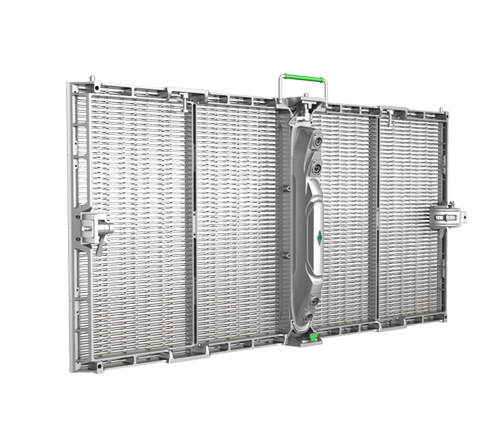
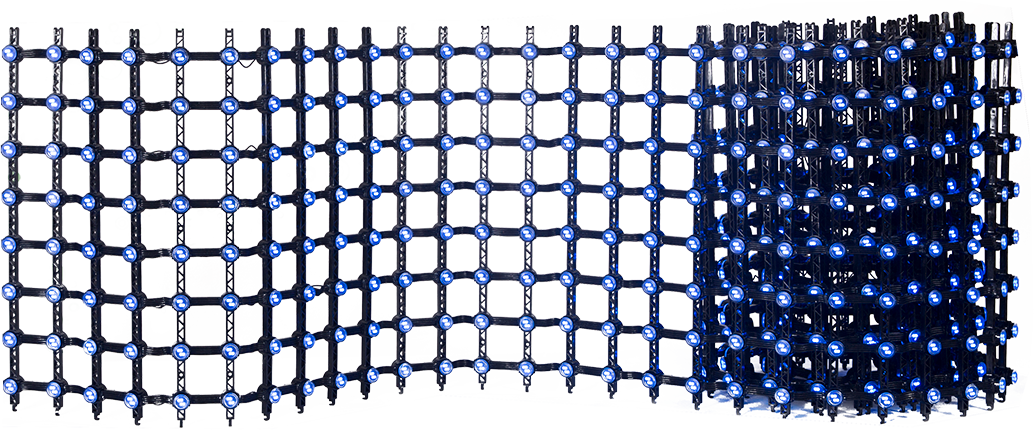
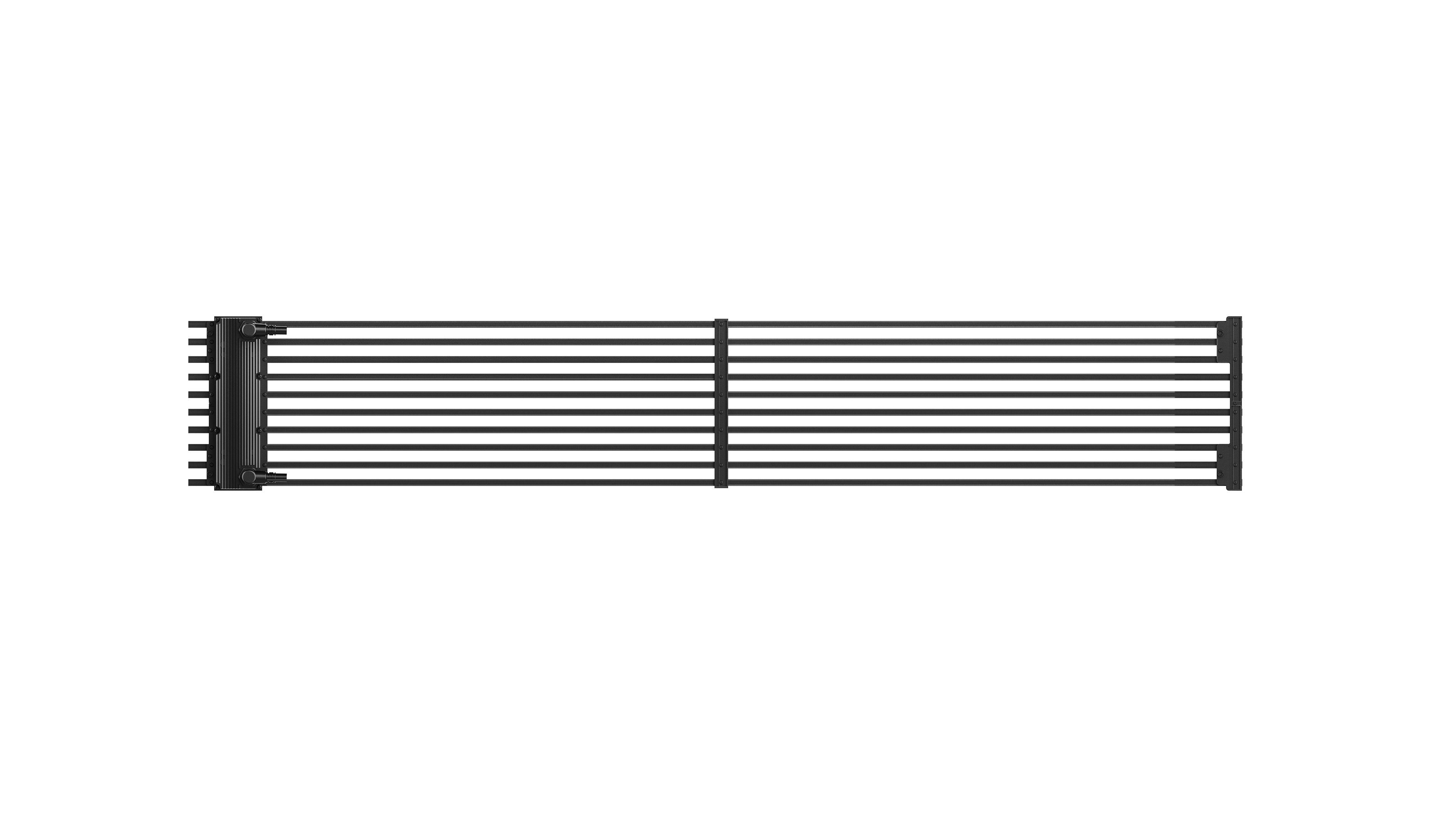
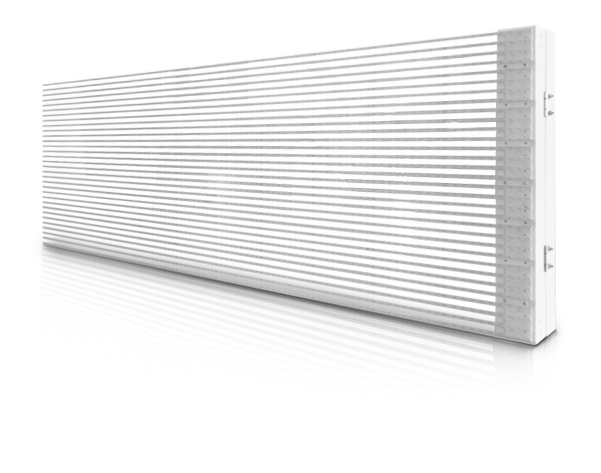
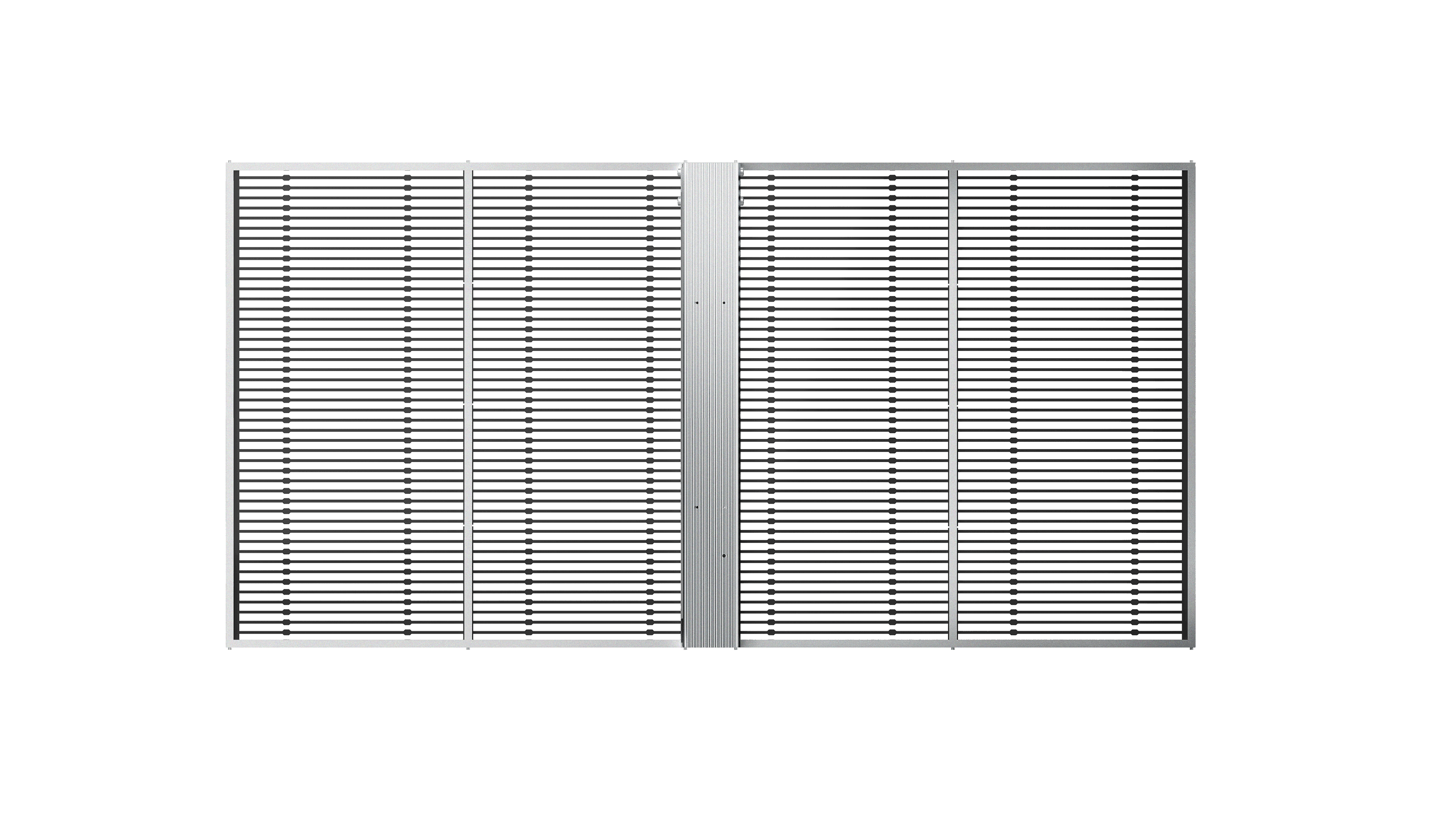
The transparency of a transparent LED screen comes from its structure: how much of the panel is open air and how much is LED, driver and frame. Higher transparency usually means fewer, thinner light strips and a more open frame, which changes both cost and what the glass looks like when the screen is off. The cabinet or strip design also determines how the screen mounts to the glass, how it handles wind load on exposed facades, and how serviceable each section is later. A quote should state the transparency rate and the mounting method; if it does not, the price is not complete.
Brightness Requirements Depend on the Environment
A screen facing an open plaza needs far higher brightness than one inside a shaded atrium, and higher brightness means more power and more thermal allowance, which show up in cost. Indoor storefront and showroom applications can stay at moderate brightness levels and keep power consumption low. Exterior glass curtain walls need brightness that survives direct sunlight, plus protective treatment against rain and dust. Tell the supplier where the screen faces and what sits opposite it; this single sentence narrows the specification more than any datasheet.
Total Area and Shape Affect the Quote More Than You Expect
Cost per square meter is only half of the equation. The total area, the aspect ratio and any curves or cut-outs determine how many custom sections the factory must produce. A simple rectangular wall reuses standard sections and keeps engineering time short. A curved corner, a cylindrical column wrap or a shape that must avoid structural beams requires custom brackets, custom cabling lengths and additional pre-delivery testing. This is where a custom transparent LED display differs most from a catalog product: the engineering hours are priced into the project, and they scale with geometric complexity, not just area.
Control System, Power and Installation Access
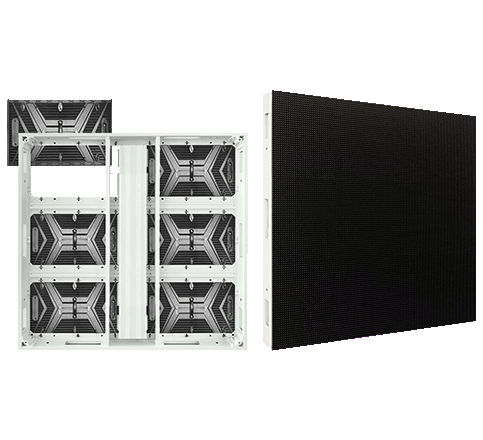
The quotation should also cover the parts that make the screen run: the receiving cards and controller, the power distribution, the cabling between strips and the mounting steel or frames. Installation access matters as well. A screen that can be serviced from inside the building costs less to maintain over its lifetime than one that needs external access equipment every time a module fails. Ask whether module replacement is possible from the interior side, and whether spare modules are included in the first order.
How to Request a Comparable Quote
To make quotes comparable, send suppliers the same five inputs: the glass dimensions and orientation, the primary viewing distance, the transparency or off-glass appearance you expect, the content type you plan to play, and the installation and service access available on site. With those fixed, differences between quotes reflect real engineering choices instead of different assumptions. Our team builds custom transparent LED screens for storefronts, atriums and exterior facades, and we quote against the inputs above. If you are planning a project, browse our outdoor transparent LED screen and indoor transparent screen pages, see where these displays are used on our applications page, or contact us with your glass dimensions for a specification-based quotation.