

 Previous
 Back
 Next
Specifiers often use LED mesh screen and LED curtain display as if they were interchangeable. Both describe a large, see-through LED surface built from strips or bars rather than a solid panel, and both appear on stages, building facades and exhibition halls. Yet the two products are engineered for different priorities, and the gap shows up the moment you ask about structure, rigging or long-term service access. Choosing the wrong category can mean a heavier support frame than the building allows, a viewing distance the content was never designed for, or a maintenance plan that requires dismantling half the installation. This article compares the two formats across the decisions that actually matter, so you can brief a supplier with the right questions and read a quotation with the right assumptions.
What Each Term Actually Describes
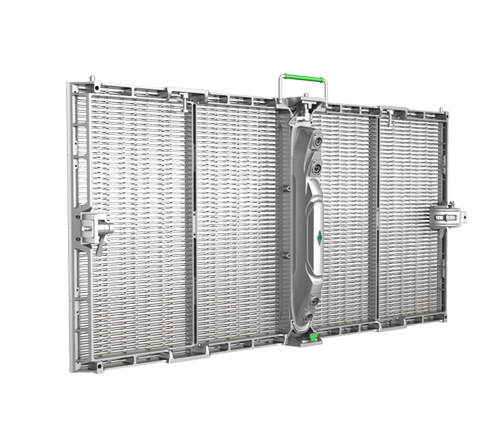
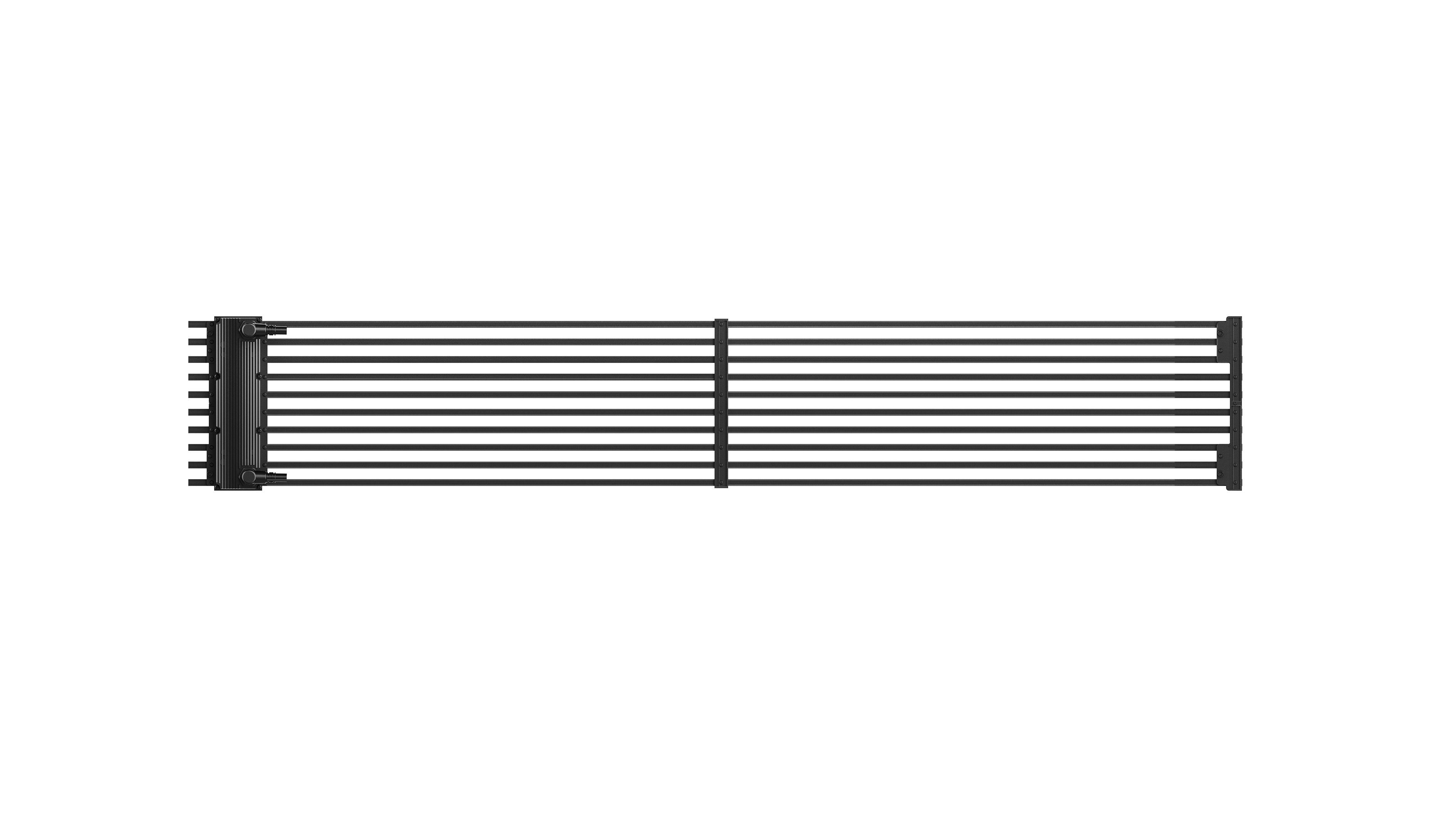
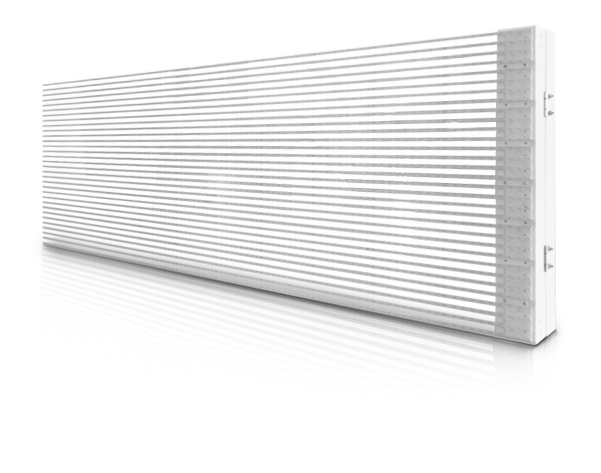
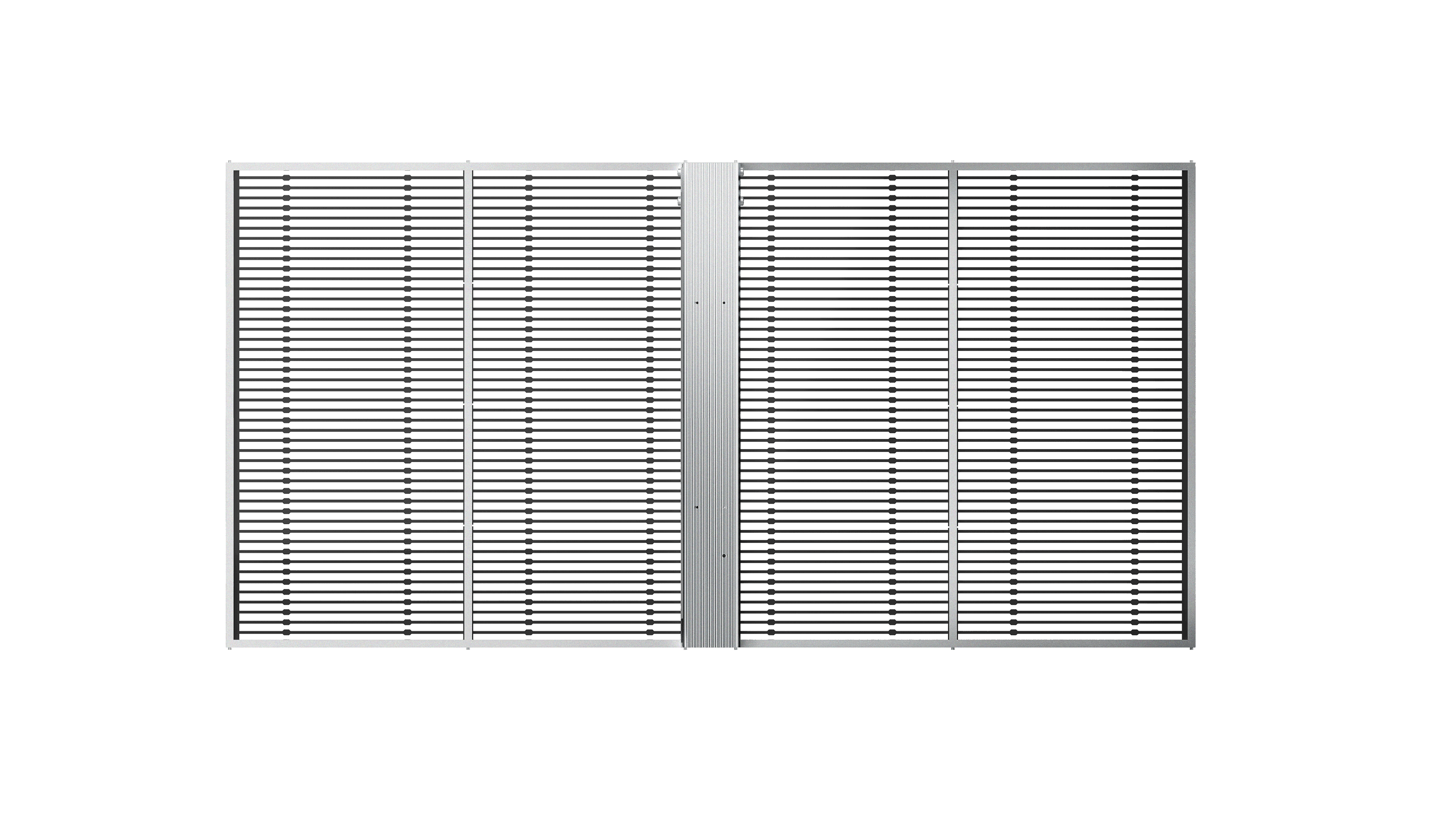
An LED mesh screen is a grid of LED strips or bars mounted on a lightweight frame, with deliberate open space between the light-emitting elements. The open area is not a compromise: it is the feature that lets air, light and sound pass through the surface. Mesh systems are used on building facades, large stage backdrops and atrium walls, and they are typically specified as a permanent or semi-permanent installation. You can see the format in our LED mesh screen product line, where the frame, the strip spacing and the mounting hardware are designed as one system.
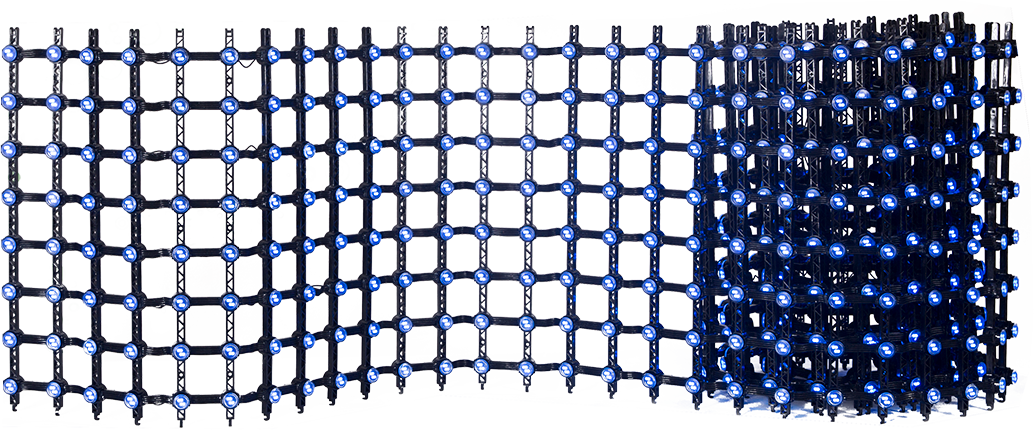
An LED curtain display takes a similar strip-based idea and pushes it toward flexibility and speed. Thin LED strips hang vertically from a top rail or truss, often on a fabric or cable backing, so the whole surface can be rolled, folded and flown. It is a favourite for touring productions, award shows and temporary brand activations because it packs small and rigs fast. Where the mesh screen behaves like architectural cladding, the curtain behaves like soft goods.
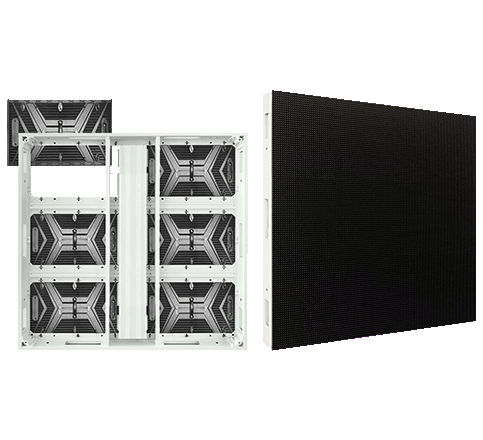
Both belong to the wider family of creative LED screen and custom LED display solutions; neither is a conventional LED cabinet screen built from closed, rigid boxes. That distinction matters, because cabinet assumptions about weight, weather sealing and power distribution do not transfer cleanly to an open-format surface.
Structure, Weight and Wind Load
A mesh screen carries its loads through a frame. The strips are fixed at intervals to aluminum or steel members, and the assembly is engineered as a single surface that transfers force back to the building or the truss. Because the surface is open, wind does not push against a solid plane; it flows through the gaps. That does not remove wind load, but it changes how the structure is calculated, and it is one reason mesh systems are common on outdoor facades and large-span stages.
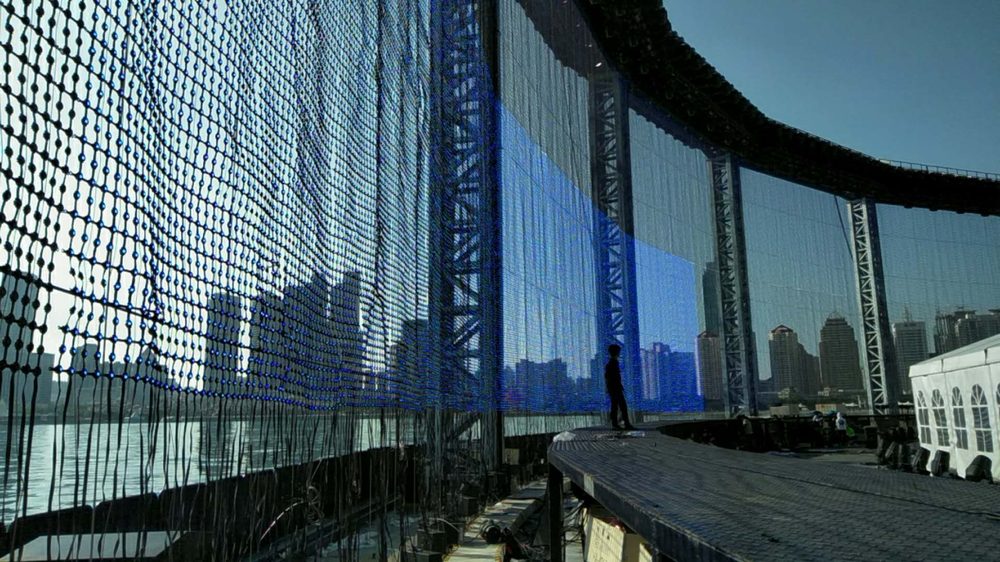
A curtain display carries its loads through the top rail. The strips hang, so the vertical load is tension rather than compression, and the whole assembly is usually much lighter per square meter. The trade-off is movement: a hanging surface can sway in air movement, which is fine indoors and a real consideration outdoors. On an exposed facade, a curtain needs a containment strategy that a framed mesh screen does not.
Ask any supplier to state the assumed support conditions in writing. A quotation that omits the frame, the fixing points and the load path is not a complete specification. For exterior work, review our outdoor transparent LED screen category alongside the mesh format, since both are specified against the same environmental questions.
Transparency, Airflow and Daylight
Open area is measured as the share of the surface that is not occupied by LEDs and structure. A higher open ratio means more daylight reaching the interior of a glass building, less obstruction of the view from inside, and less resistance to airflow. It also means fewer light-emitting elements per square meter, which affects resolution and brightness. These are linked decisions, not independent checkboxes.
For a media facade on an occupied building, the open ratio is often the first number to agree, because the tenants keep their windows and the building keeps its daylight strategy. For a stage backdrop, airflow matters less than what the camera sees, and sound transmission may matter more than either. Mesh formats are often chosen because a solid wall behind a stage would trap sound and block lighting positions.
An indoor transparent LED screen follows a different logic again: the glass stays in place and the LEDs sit on it. If your project is a storefront or a curtain wall, compare those formats before committing to a grid-based surface.
Brightness, Pitch and Viewing Distance
Brightness is specified against the ambient light at the site, not as a universal spec sheet figure. A facade in direct sun and an indoor exhibition stand sit at opposite ends of that scale, and a supplier should ask which one you have before proposing an output level. Higher output has consequences: more power, more heat to manage, and often a different driver and control design.
Pixel pitch is custom and project-specific. Rather than quote a fixed range, a serious proposal derives the pitch from the closest and farthest viewing positions, the content type and the physical size of the surface. Fine text, logos and detailed motion graphics need a tighter pitch than abstract color fields. Ask the supplier to state the pitch they assumed and the viewing distance it was calculated for; two quotes built on different assumptions are not comparable.
Refresh behavior and camera compatibility belong in the same conversation. If the installation will be filmed or broadcast, request a sample test with your actual camera setup before sign-off. These are the checks that separate a creative LED screen that looks good on site from one that looks good on screen.
Installation and Service Access
Installation speed is where a curtain display earns its reputation. A strip-based hanging surface can be flown from a truss, connected in sections and struck quickly, which suits touring schedules and short venue windows. A framed mesh screen takes longer: the frame is set out, levelled and fixed, then the strips are attached and aligned. In return, the finished surface holds its geometry for years.
Service access is the question most often skipped. On a permanent facade, how does a technician reach a failed strip in year three? Front-service designs let a single module be swapped without disturbing the frame; rear-service designs need a walkway or a lift. Ask for the replacement unit, the tools required and the access path, then check them against the building maintenance plan. A flexible LED module approach can simplify this, but only if the supplier commits to spare availability.
Also confirm how power and data are distributed across sections, and where the control equipment lives. On a large surface, cable routing and the number of power injection points are a meaningful part of the installation, not an afterthought.
Side-by-Side Comparison
| Criterion | LED mesh screen | LED curtain display | What to confirm |
|---|---|---|---|
| Support | Framed, fixed to building or truss | Hung from a top rail | Load path and fixing points |
| Geometry | Holds alignment over time | Can sway with air movement | Containment strategy |
| Typical use | Facades, atriums, fixed backdrops | Touring, events, temporary builds | Permanent or seasonal |
| Service | Front or rear module swap | Section replacement | Access path and spares |
| Setup | Longer, engineered | Fast, packs small | Venue window and crew |
How to Choose for Your Project
A short checklist helps turn the comparison into a brief:
- Define whether the surface is permanent, seasonal or touring.
- Record the support structure and the access path for maintenance.
- State the open-area requirement if daylight or views must be preserved.
- Describe the ambient light and the nearest viewing position.
- Say whether the content will be filmed or broadcast.
- Ask for the assumed pitch, output level and service method in writing.
Luminatii Technology Co., Ltd. works across custom LED display and special-shaped LED screen projects, from retail glass to large facades, and our application examples and project references show how these choices play out in real installations. If you are weighing a mesh system against a hanging format, send us the site conditions and the content plan, and our team will come back with a project-specific recommendation rather than a generic spec sheet.
Talk to our engineers through the contact page, or download the specification checklist from the support download page before you issue your enquiry.