

 Previous
 Back
 Next
A holographic window display turns an ordinary pane of shopfront glass into a moving image layer without turning the window into a black box. That single quality explains why the format has moved from trade-show demos into retail flagships, automotive showrooms and exhibition stands. Shoppers still see the merchandise, daylight still reaches the floor, and the brand gains a screen that appears to float in the glass. The technology behind it is often misunderstood, though: most buyers arrive expecting a projection trick, when what they are actually specifying is a see-through LED screen with a particular set of structural, optical and content requirements. This guide covers where the format works, where it struggles and what to ask a supplier before a concept becomes a drawing.
What a Holographic Window Display Actually Is
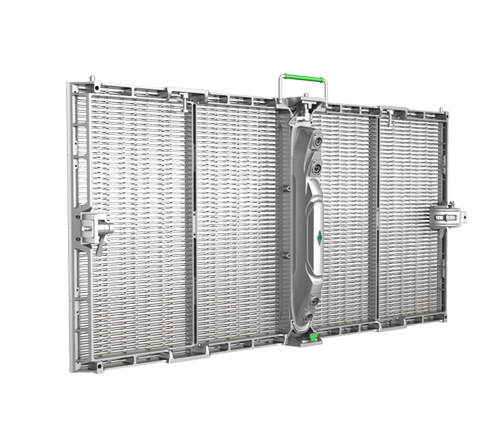
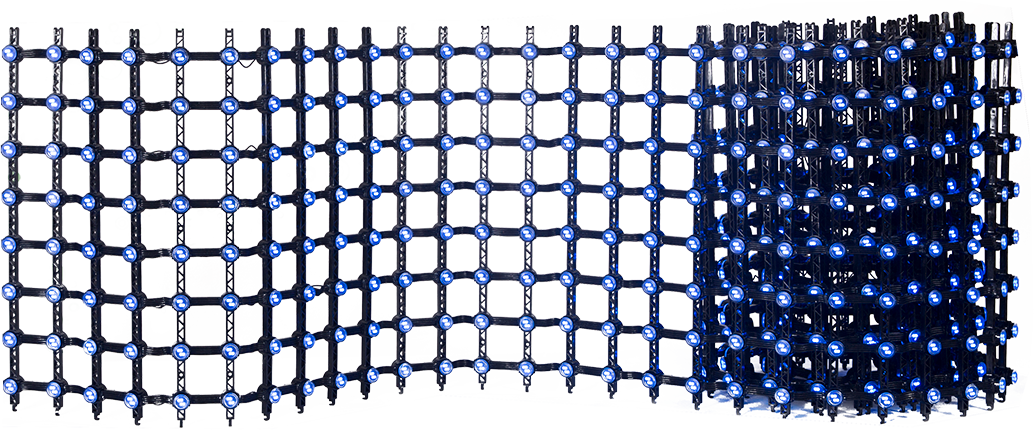
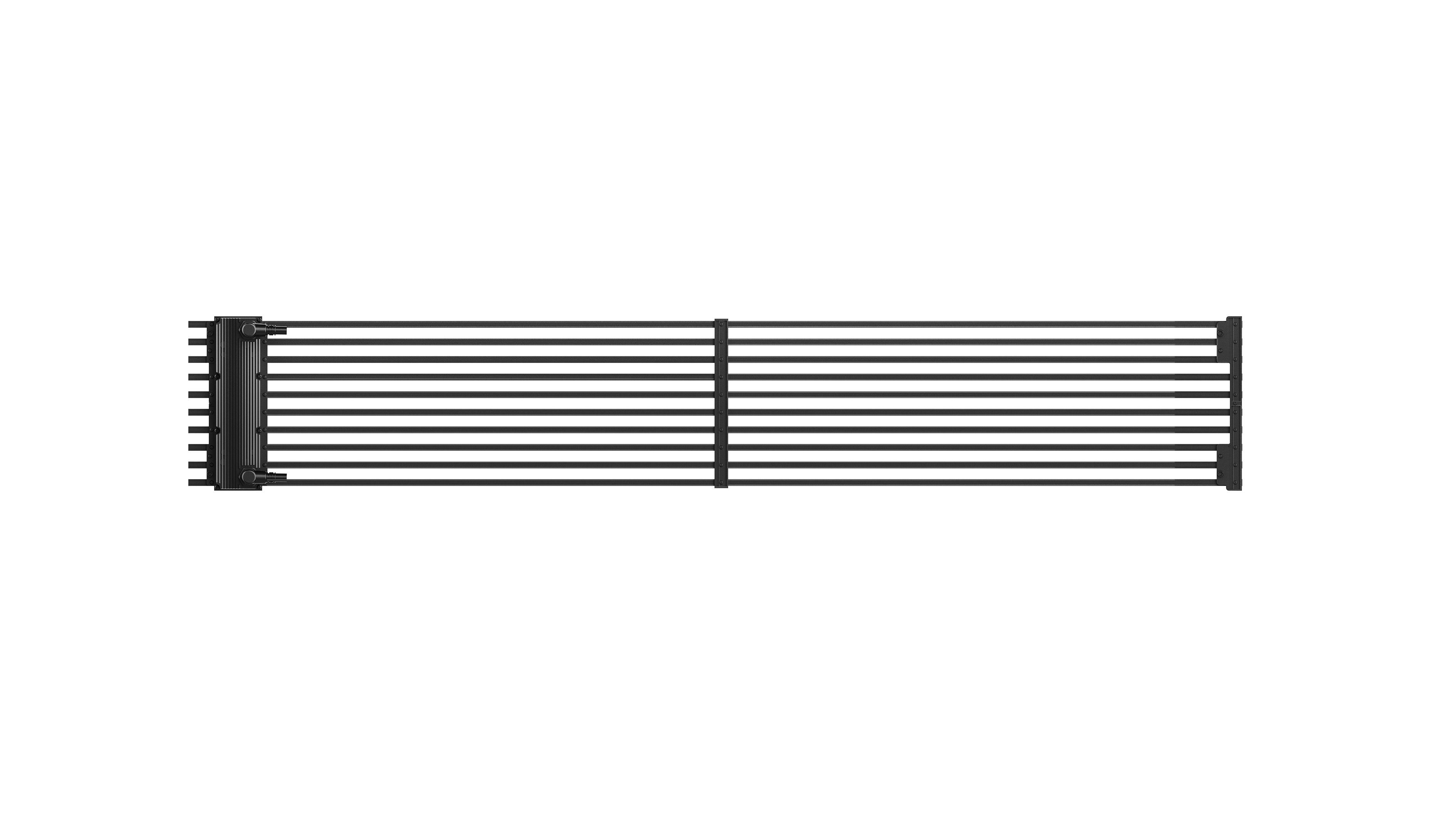
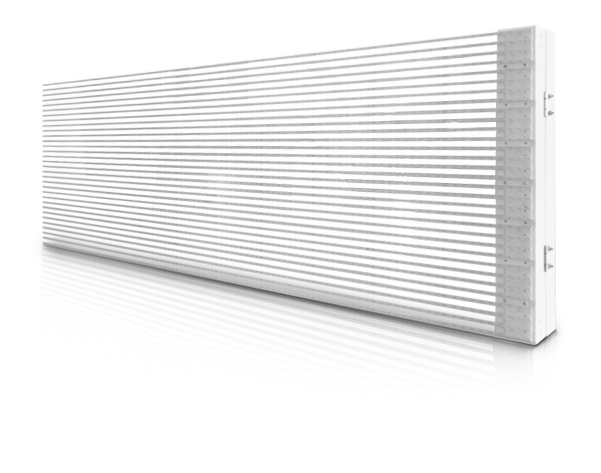
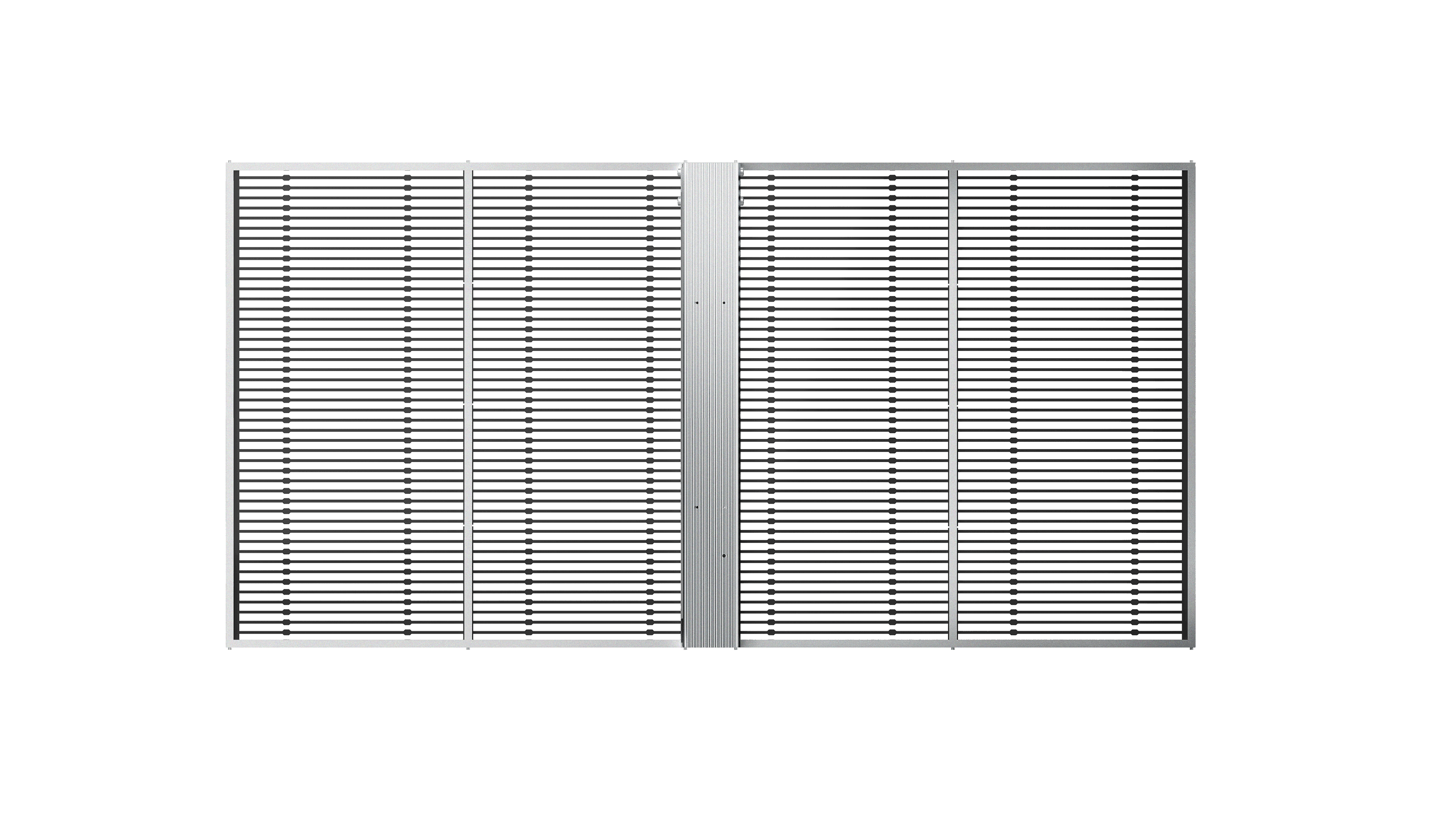
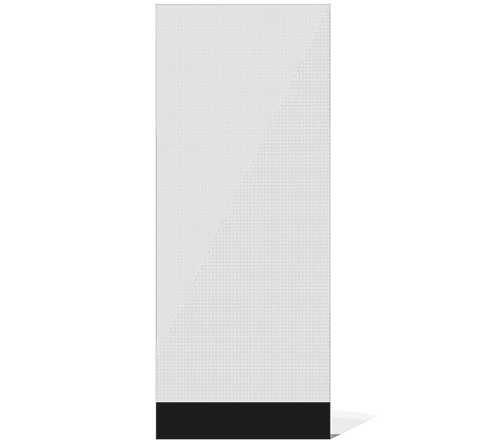
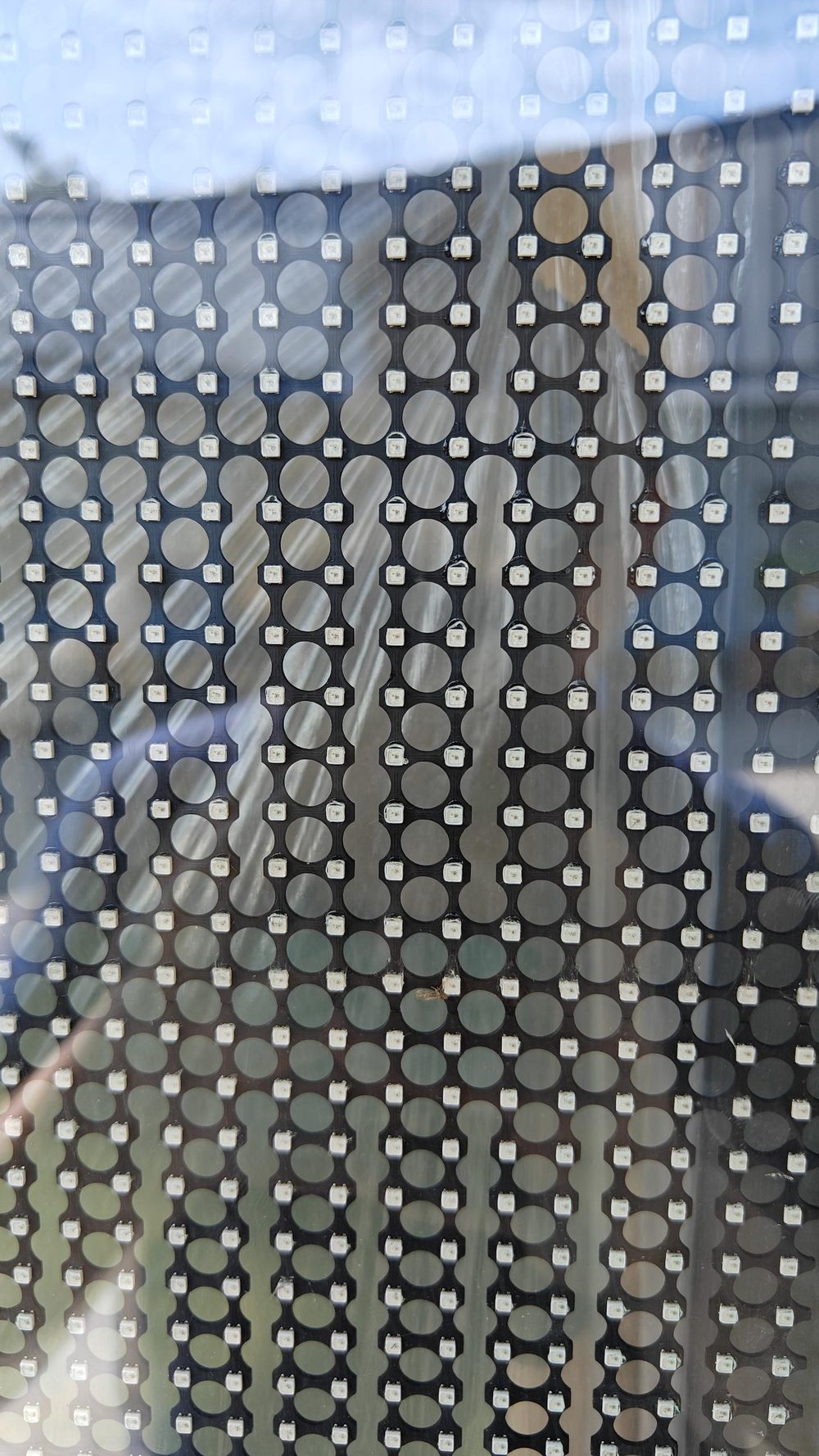
The word holographic is misleading. In this product category it does not describe a projection-based stage illusion, a rear-projection film or a spinning fan device. A holographic window display is built around a transparent or fine-grid LED structure: light-emitting elements sit on slim strips with deliberate open space between them, so the surface stays visibly see-through while the image is running. Content is authored on black or transparent backgrounds, which lets the illuminated subject read as detached from any visible panel. The impression is one of depth rather than a flat monitor bolted to the glass. Our holographic LED transparent screen is the product family behind this effect, and the same see-through principle appears at architectural scale in LED mesh screens.
That distinction matters at specification stage. A buyer who assumes projection will under-specify the mounting structure, cable routing and heat dissipation that an LED screen needs. Ask a supplier to state the physical structure and display principle in writing before discussing pixel pitch or brightness. A credible answer describes an LED screen, not a projector.
Retail Storefronts: Content That Reads Through Glass
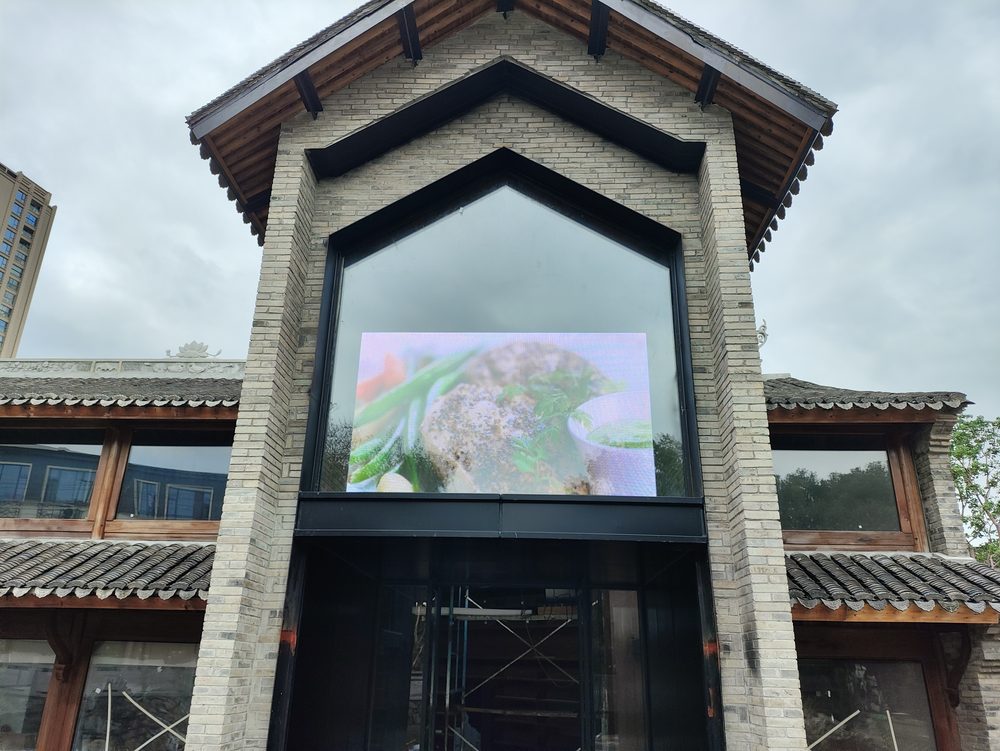
Storefront glass is the toughest test for this technology. Direct sun, interior reflections, passersby viewing at an angle and merchandise sitting behind the pane all compete with the image. A transparent LED layer has to hold its own against bright ambient light while leaving the interior visible, so the content strategy matters as much as the hardware. Build loops around a small number of high-contrast subjects, generous negative space and slow movement. Fine text, dense data and busy full-frame video tend to collapse into glare at an angle. Treat the window as a moving poster rather than a website. Where the glass faces strong sun, an outdoor transparent LED screen specification or a shading plan belongs in the brief from the start.
The payoff is that the shop window keeps doing its original job. A well-planned installation draws the eye at the pavement, then lets the viewer look straight through to the product. Fixed interior glass partitions are usually handled with an indoor transparent LED screen rather than a storefront-rated system.
Showrooms and Brand Spaces: Depth Without a Dark Box
In a showroom the product is the hero and the screen is the narrator. A holographic display placed between the visitor and a vehicle, a machine or a fashion set can layer animation over the physical object without hiding it. This is where the see-through structure earns its keep: unlike a conventional solid display, it does not need a dark backdrop, so the room stays open, sightlines survive, and the display can sit on an existing glass partition or a suspended frame. When the architecture refuses a flat rectangle, flexible LED screen modules allow the surface to follow a curve instead of fighting it.
Content should be authored with the physical object in mind: align animation to the product silhouette and leave calm intervals so the space still reads as a showroom.
Exhibitions and Trade Shows: Repeatable Builds
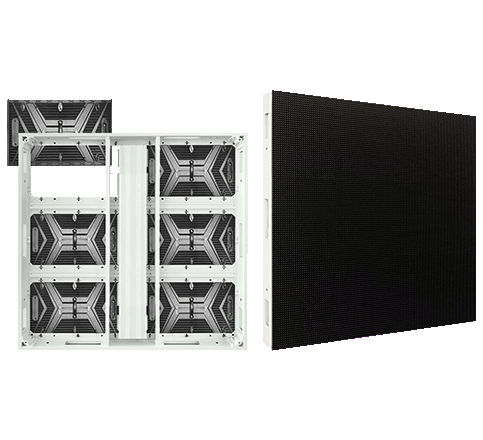
Exhibition work rewards a system that can be assembled, dismantled and shipped without losing alignment. Ask for a module-based structure, labelled cable sets, a documented rigging plan and a packing layout that protects the LED strips in transit. Content should be rendered once and adapted to the stand dimensions rather than rebuilt for every show, and the control gear should be reachable without taking the display apart. A stand that also needs a solid visual wall can combine the see-through layer with a conventional LED cabinet screen elsewhere on the booth.
Because a holographic LED screen for exhibition use is usually a temporary build, the structural conversation is shorter but not optional: ceiling fixings, load limits and power access have to be confirmed with the venue before the order is placed. Our application examples show how mixed display formats are combined in practice.
Shopping Malls and Atriums: Sightlines and Structure
A mall atrium changes the problem from one viewer to many viewers at different distances and heights. The screen has to stay legible from an oblique angle on an upper floor, and the support structure has to be reviewed by the building engineer rather than by the display supplier alone. A holographic LED screen for shopping mall installations is therefore as much a structural project as a visual one: fixing points, cable routes, access for inspection and the behaviour of the surrounding glass all shape the final layout.
For these larger, permanent settings we prefer to describe the approach as project-specific rather than quoting a universal figure. Pane layout, ambient light and viewing geometry decide the custom pitch, brightness and transparency assumptions, and those assumptions should be written into the proposal. Our project references give a sense of the range of formats involved.
What to Check Before You Specify
A short technical brief prevents most redesign. The table below is the checklist we use.
| Check | What to confirm | Why it matters |
|---|---|---|
| Display principle | That it is an LED screen, not projection or a fan device | Determines every downstream decision |
| Glass and framing | Pane type, mullion positions, available fixing points | Fixes the mounting method and panel layout |
| Ambient light | Direct sun, interior lighting, reflections | Sets brightness and content contrast expectations |
| Viewing geometry | Main sightlines, nearest and farthest viewer | Sets custom pitch and content scale |
| Power and data | Cable routes, distribution, control location | Avoids late-stage redesign |
| Service access | Front or rear access, who removes a module | Decides long-term maintenance effort |
Pixel pitch, brightness and transparency are custom, project-specific decisions. Rather than accepting a fixed number pulled from a generic spec sheet, ask the supplier to document the site conditions behind each recommendation. It is also worth sending a shortlist of items with the enquiry:
- Glass dimensions, a photo of the pane, and the mullion layout
- Whether the display is permanent, seasonal or touring
- The intended content style and where it will be produced
- Who is responsible for structural review and installation
- Access available for routine service after handover
Installation, Service and Content Workflow
Installation starts with a site survey, not a delivery date. The team records the glass, the fixing points, the thermal movement of the framing and the route for power and data, then agrees whether the display hangs from above, mounts to the mullions or sits on an independent frame. Drivers and control equipment should remain reachable for inspection, and the method for removing a single LED strip without disturbing its neighbours should be demonstrated during commissioning. These unglamorous details are what separate a display that ages well from one that becomes a maintenance problem.
Content is the other half of the workflow. Supply footage with dark or transparent backgrounds, avoid large white full-frame areas, and agree a colour and brightness reference with the person commissioning the screen. Luminatii Technology Co., Ltd. can review storyboards alongside the structural drawing so the creative plan and the mounting plan describe the same installation.
A Practical Starting Point
A holographic window display is worth specifying when the glass must stay visible and the content is designed for depth. It is a poor fit when the goal is a dense information wall, a fully opaque video surface or a room that needs to be blacked out. Send us the pane dimensions, the light conditions and the content plan, and our engineers will come back with a project-specific recommendation rather than a generic spec sheet.
Talk to the team through the contact page, or download the specification checklist from the support download page before you issue your enquiry.